



Introduction
English is one of the most widely used languages in the world. It is commonly used in education, business, travel, technology, and international communication. Learning English can open many opportunities such as better career options, access to global knowledge, and the ability to communicate with people from different countries.
However, many learners feel confused about where to start or how to improve their English skills. The best way to learn English is to follow a clear and structured step-by-step process. Each step builds on the previous one, helping learners gradually develop reading, writing, speaking, and listening skills.
This article explains a practical step-by-step approach to learning English effectively.
Step 1: Learn the English Alphabet and Basic Sounds
The first step in learning English is becoming familiar with the English alphabet and the sounds of letters.
English has 26 letters, and each letter can produce different sounds depending on the word. Understanding these sounds is important because it helps learners pronounce words correctly and recognize them when listening.
For beginners, it is helpful to:
- Practice saying each letter aloud.
- Listen to correct pronunciation using audio resources.
- Repeat words several times to build confidence.
Learning phonics (the relationship between letters and sounds) also improves reading ability. When learners understand how sounds work, they can read new words more easily.
Step 2: Build a Basic Vocabulary
Vocabulary is the foundation of any language. Without words, communication becomes difficult.
Start by learning common everyday words such as:
- Numbers
- Colors
- Family members
- Food items
- Places
- Basic verbs like eat, go, read, write, speak
Instead of memorizing large lists of words, try learning 10–15 new words daily and use them in simple sentences.
For example:
- I eat breakfast at 8 AM.
- She reads a book.
- They go to school.
Using words in sentences helps your brain remember them better.
Step 3: Learn Basic English Grammar
Grammar provides the structure needed to form correct sentences. Beginners should start with simple grammar rules before moving to advanced topics.
Important beginner grammar topics include:
- Parts of speech (noun, verb, adjective, adverb)
- Simple present tense
- Pronouns
- Basic sentence structure
A basic English sentence usually follows this pattern:
Subject + Verb + Object
Example:
- She reads books.
- I like music.
- They play football.
Understanding simple grammar helps learners create meaningful sentences and communicate clearly.
Step 4: Practice Reading Every Day
Reading is one of the most effective ways to improve language skills. It exposes learners to new vocabulary, sentence structures, and ideas.
Begin with simple materials such as:
- Children’s books
- Short stories
- Basic English articles
- Beginner-level learning websites
When reading, try these techniques:
- Read slowly and carefully.
- Highlight unfamiliar words.
- Look up the meanings in a dictionary.
- Read the same passage again for better understanding.
Regular reading improves comprehension and helps learners become comfortable with written English.
Step 5: Improve Listening Skills
Listening is a critical skill for language learning because it helps you understand how native speakers communicate.
Good listening practice includes:
- Watching English videos
- Listening to podcasts
- Watching movies or TV shows in English
- Listening to English news
At first, it may be difficult to understand everything. This is normal. Focus on recognizing common words and phrases.
You can also try listening while reading subtitles. This helps connect spoken words with written text.
Over time, listening practice improves pronunciation, vocabulary recognition, and comprehension.
Step 6: Practice Speaking Regularly
Speaking is often the most challenging skill for learners because it requires confidence and practice.
The best way to improve speaking is to practice frequently, even if you make mistakes.
Some useful speaking activities include:
- Talking with friends who also want to learn English
- Practicing conversations in front of a mirror
- Recording your voice and listening to it
- Joining online language exchange communities
Do not worry too much about perfect grammar when speaking. Communication is the main goal.
With regular practice, speaking becomes more natural and fluent.
Step 7: Improve Writing Skills
Writing helps reinforce grammar and vocabulary knowledge.
Start with simple writing exercises such as:
- Writing daily sentences
- Keeping a short journal
- Describing your day in English
- Writing short paragraphs about familiar topics
For example:
Today I woke up early and went for a walk. After breakfast, I studied English for one hour.
Writing regularly helps learners organize their thoughts and express ideas clearly.
Step 8: Use English in Daily Life
One of the most effective ways to learn a language is by integrating it into daily activities.
You can practice English by:
- Changing your phone language to English
- Thinking in English
- Labeling household items with English names
- Reading English signs or instructions
When English becomes part of everyday life, learning becomes more natural and less stressful.
Step 9: Use Learning Resources and Technology
Modern technology provides many tools that can help learners improve their English skills.
Some useful resources include:
- Language learning apps
- Online dictionaries
- Educational YouTube channels
- Interactive grammar websites
- English learning podcasts
These resources allow learners to practice anytime and anywhere.
Technology also provides access to authentic content created by native speakers.
Step 10: Stay Consistent and Patient
Learning a new language takes time. Progress may sometimes feel slow, but consistent practice leads to improvement.
To stay motivated:
- Set small learning goals.
- Track your progress.
- Celebrate small achievements.
- Practice a little every day.
Even 20–30 minutes of daily practice can make a significant difference over time.
Patience and persistence are important parts of language learning.
Effective Study Techniques for Learning English
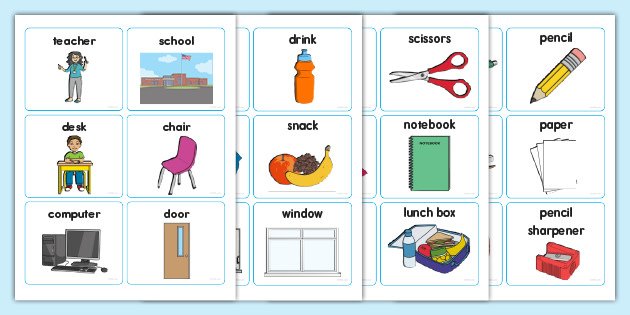



To learn English more effectively, learners can use specific study techniques.
1. Spaced Repetition
Review vocabulary at regular intervals to improve long-term memory.
2. Active Learning
Practice using the language rather than only reading about it.
3. Immersion
Surround yourself with English through music, movies, and conversations.
4. Practice with Real Conversations
Speaking with real people helps develop natural communication skills.
These techniques make learning more engaging and effective.
Benefits of Learning English
Learning English offers many advantages in personal and professional life.
Some benefits include:
- Access to international education opportunities
- Better job prospects
- Improved communication with people worldwide
- Access to global information and resources
- Greater cultural understanding
English also allows learners to explore books, research papers, films, and educational materials produced around the world.
Conclusion
Learning English is a valuable skill that can provide many opportunities for personal growth and global communication. By following a structured step-by-step approach—starting with the alphabet, building vocabulary, understanding grammar, and practicing reading, writing, listening, and speaking—learners can gradually develop strong language skills.
Consistency, patience, and regular practice are key elements of successful language learning. By integrating English into daily life and using modern learning resources, anyone can steadily improve their proficiency.
With dedication and the right methods, learning English can become an enjoyable and rewarding journey.