


Introduction
Concentration is one of the most important factors for successful learning. Many students spend long hours studying but still struggle to remember or understand what they read. Often, the problem is not the amount of time spent studying but the lack of focus during study sessions.
Improving concentration allows students to understand concepts more clearly, complete tasks faster, and retain information for longer periods. With proper techniques and habits, anyone can strengthen their ability to focus while studying.
This article explains practical strategies that can help improve concentration and make study time more productive.
Why Concentration Is Important in Studying
Concentration helps the brain process information efficiently. When students focus fully on their studies, they are more likely to understand complex topics and remember important details.
Good concentration also helps with:
- Faster learning
- Better memory retention
- Improved academic performance
- Reduced study time
- Higher productivity
Without concentration, students may read the same material multiple times without understanding it.
Create a Proper Study Environment
A suitable study environment plays a significant role in maintaining focus.
Choose a place that is:
- Quiet and free from distractions
- Well-lit and comfortable
- Organized with necessary study materials
Avoid studying in places where there is constant noise, television, or other distractions.
Keeping the study area clean and organized can also improve mental clarity and focus.
Set Clear Study Goals
Studying without a clear goal often leads to poor concentration.
Before beginning a study session, decide exactly what you want to achieve. For example:
- Finish reading one chapter
- Solve ten math problems
- Review key concepts from a lesson
Clear goals help the brain stay focused because there is a defined task to complete.
Breaking large tasks into smaller goals can also make studying feel more manageable.
Use Time Management Techniques
Studying for long hours without breaks can reduce concentration and increase fatigue.
One effective method is the Pomodoro Technique, which involves:
- Studying for 25 minutes with full focus
- Taking a 5-minute break
- Repeating the cycle several times
- Taking a longer break after four sessions
Short study sessions with regular breaks help maintain mental energy and improve focus.
Remove Digital Distractions
Mobile phones and social media are among the biggest distractions during study time.
To improve concentration:
- Keep your phone away from your study desk
- Turn off notifications
- Use website blockers if needed
Some students also find it helpful to use applications that temporarily block social media during study sessions.
Reducing digital distractions allows the brain to focus fully on learning tasks.
Practice Active Learning
Passive studying often leads to boredom and loss of concentration.
Instead, try active learning techniques such as:
- Writing notes while reading
- Summarizing information in your own words
- Asking questions about the material
- Solving practice problems
Active engagement keeps the mind alert and improves understanding.
For example, after reading a section of a textbook, try explaining the concept aloud as if you are teaching someone else.
Take Care of Your Physical Health
Physical health has a direct impact on concentration and mental performance.
Important habits that support focus include:
- Getting enough sleep
- Eating nutritious food
- Drinking enough water
- Exercising regularly
Lack of sleep or poor nutrition can make it difficult to stay focused during study sessions.
A healthy body supports a healthy and attentive mind.
Practice Mindfulness and Meditation
Mindfulness and meditation exercises can strengthen concentration and mental control.
Simple practices include:
- Deep breathing exercises
- Short meditation sessions
- Focusing on your breathing for a few minutes
These activities help calm the mind and improve attention span.
Even five to ten minutes of mindfulness practice daily can improve focus over time.
Use a Study Plan or Schedule
Creating a study schedule helps organize tasks and prevents confusion about what to study.
A good study plan may include:
- Specific subjects for each day
- Time blocks for study sessions
- Short breaks between sessions
Having a clear schedule reduces stress and helps maintain consistent study habits.
Planning also ensures that enough time is dedicated to each subject.
Avoid Multitasking
Many students try to do multiple tasks at the same time, such as studying while checking messages or watching videos.
Multitasking reduces concentration and makes learning less effective.
Instead, focus on one task at a time.
Completing one task before starting another improves productivity and helps the brain process information more effectively.
Stay Motivated While Studying
Motivation plays a key role in maintaining concentration.
Students can stay motivated by:
- Setting long-term goals
- Rewarding themselves after completing study tasks
- Tracking progress and improvements
Remembering the purpose of studying—such as achieving career goals or gaining knowledge—can help maintain focus.
Positive motivation encourages consistent effort.
Techniques That Help Improve Focus



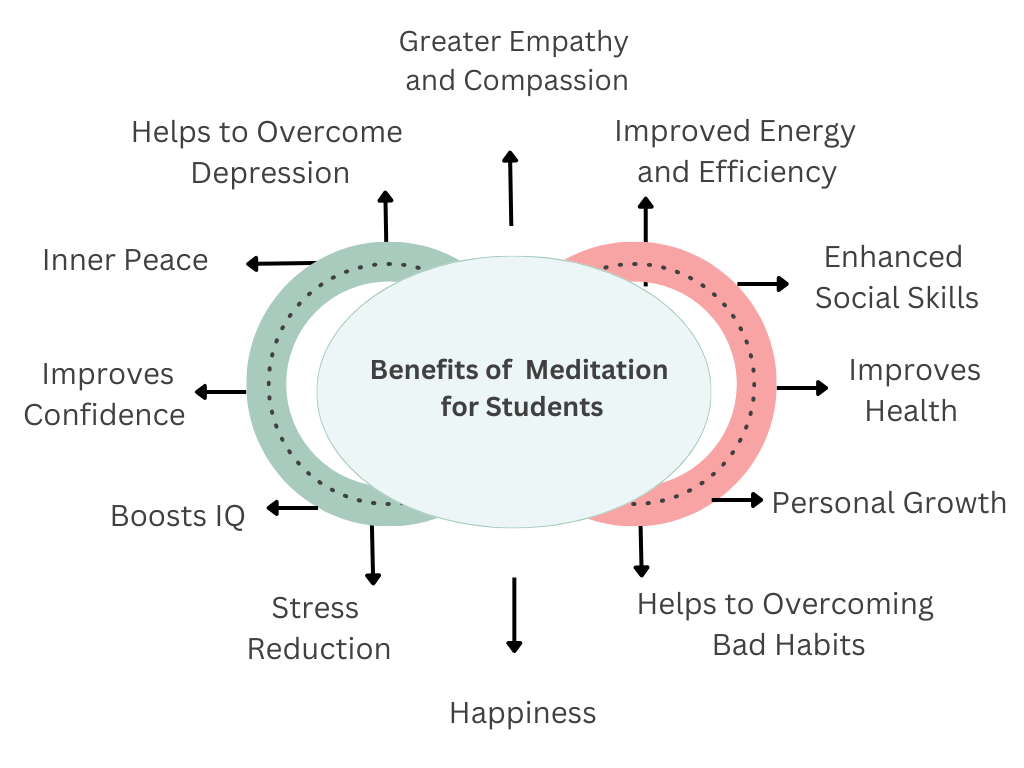
Several practical techniques can improve concentration during study sessions.
Pomodoro Study Method
Short focused study sessions followed by brief breaks help maintain attention.
Mind Mapping
Creating visual diagrams of ideas helps organize information and keeps the mind engaged.
Note-Taking Techniques
Writing key ideas while studying strengthens memory and focus.
Review Sessions
Regularly reviewing previously learned material reinforces understanding.
These techniques make studying more interactive and mentally stimulating.
Common Reasons for Poor Concentration
Understanding the causes of poor concentration can help students address the problem.
Some common reasons include:
- Lack of sleep
- Excessive use of digital devices
- Stress or anxiety
- Poor study environment
- Lack of interest in the subject
Identifying these factors allows students to take appropriate steps to improve focus.
Long-Term Benefits of Strong Concentration
Developing strong concentration skills provides benefits beyond academic success.
These benefits include:
- Improved problem-solving abilities
- Higher productivity in work and studies
- Better decision-making skills
- Stronger memory and learning capacity
Concentration is a skill that becomes stronger with regular practice.
Conclusion
Improving concentration while studying is essential for effective learning and academic success. By creating a suitable study environment, setting clear goals, managing time effectively, and avoiding distractions, students can significantly enhance their ability to focus.
Healthy habits such as proper sleep, balanced nutrition, and mindfulness practices also play an important role in maintaining mental clarity.
With consistent practice and the right strategies, anyone can develop stronger concentration and make study time more productive and meaningful.