How to Create a Perfect Study Plan


Introduction
Creating a perfect study plan is one of the most effective ways to improve academic performance, reduce stress, and stay organized. Many students struggle not because they lack intelligence, but because they lack structure. A well-designed study plan helps you manage your time, prioritize tasks, and stay consistent in your learning process.
A “perfect” study plan is not about studying all the time—it’s about studying smart, maintaining balance, and achieving your goals efficiently. In this article, you will learn how to design a practical and effective study plan that actually works.
1. Understand Your Goals Clearly
The first step in creating a study plan is defining your goals. Without a clear objective, your efforts can become scattered.
Ask yourself:
- What exams are you preparing for?
- What subjects need more attention?
- What is your target score or outcome?
Break your goals into:
- Short-term goals (daily or weekly targets)
- Long-term goals (final exams or overall performance)
[Inference] Clear goals help your brain focus better and improve motivation.
2. Analyze Your Current Schedule
Before creating a study plan, you need to understand how your time is currently spent.
Track your daily routine:
- School/college hours
- Travel time
- Leisure activities
- Sleep
This will help you identify free time slots that can be used for studying.
3. Identify Your Productive Hours
Not everyone studies best at the same time.
- Some students are more focused in the morning
- Others perform better at night
[Inference] Your productivity peaks depend on personal habits and energy cycles.
Once you identify your peak hours, schedule your most difficult subjects during that time.
4. Prioritize Subjects Wisely
Not all subjects require equal attention.
Divide your subjects into:
- High priority – Difficult or important subjects
- Medium priority – Moderate difficulty
- Low priority – Easy or already mastered
Spend more time on high-priority subjects, but do not ignore the others.
5. Create a Realistic Timetable

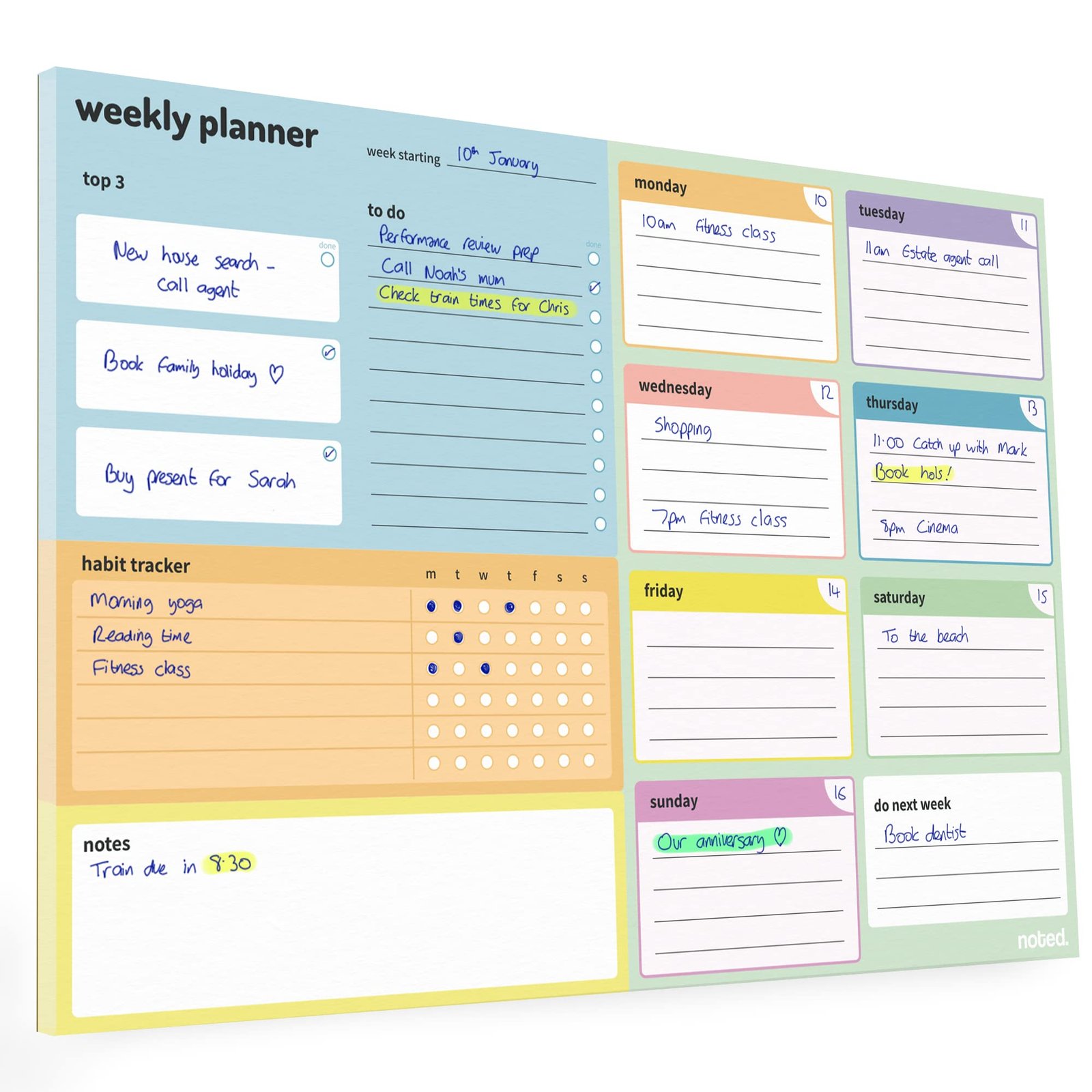
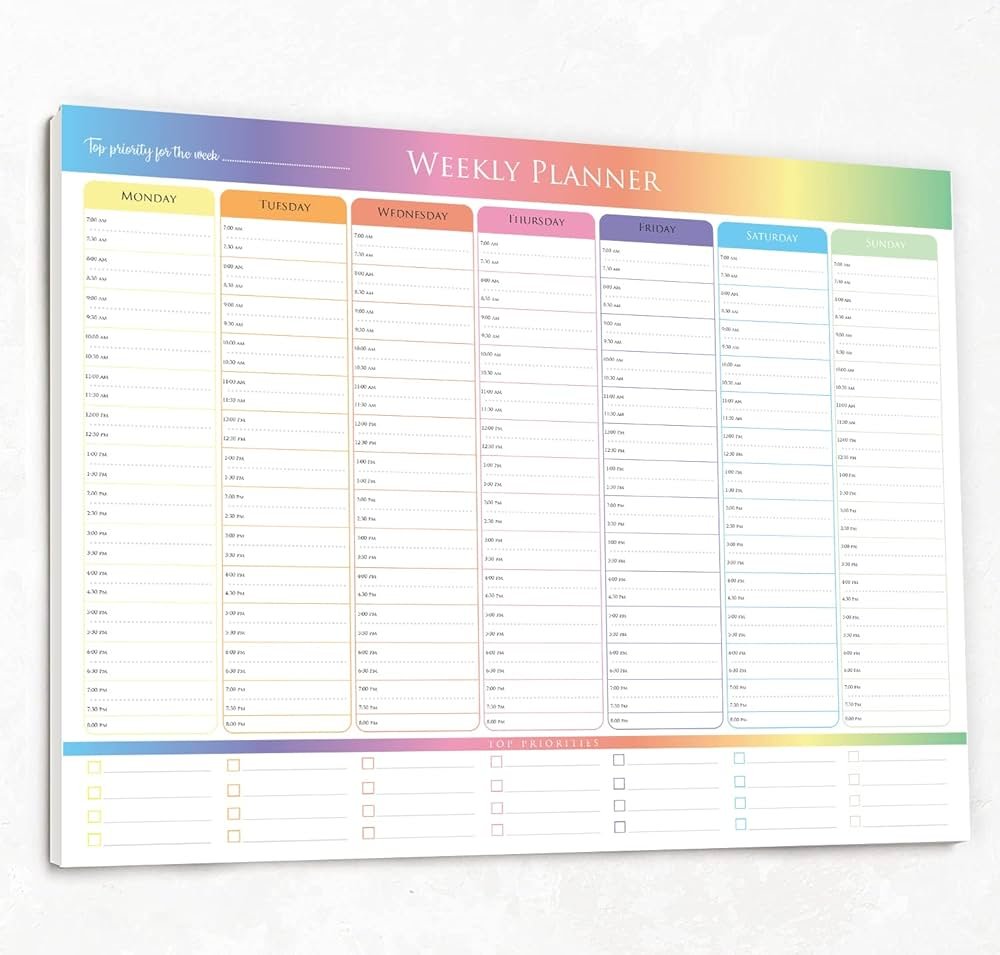
A study plan should be realistic, not overly ambitious.
Example structure:
- Study sessions: 45–60 minutes
- Breaks: 5–10 minutes
- Long break after 3–4 sessions
Avoid:
- Studying for long hours without breaks
- Overloading one day with too many subjects
6. Use Time Blocking Technique
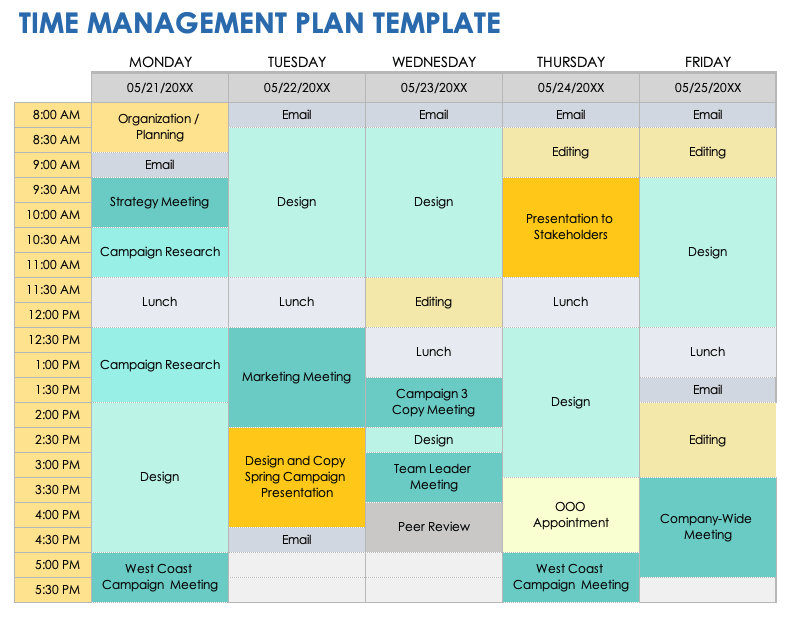
Time blocking is a powerful method where you assign specific time slots to specific tasks.
Example:
- 4:00 – 5:00 PM → Mathematics
- 5:15 – 6:15 PM → Science
- 7:00 – 8:00 PM → Revision
This method:
- Improves focus
- Reduces procrastination
- Makes your plan structured
7. Include Revision Time
Studying once is not enough. Without revision, most of the information is forgotten.
Add revision slots:
- Daily quick revision (10–15 minutes)
- Weekly revision (1–2 hours)
[Inference] Repetition strengthens memory retention over time.
8. Set Achievable Daily Targets
Instead of saying:
- “I will study 5 hours”
Say:
- “I will complete Chapter 2 and solve 20 problems”
This makes your study plan:
- More measurable
- More motivating
- Easier to track
9. Avoid Distractions
One of the biggest challenges while studying is distraction.
Common distractions:
- Mobile phones
- Social media
- Noise
Solutions:
- Keep phone away or use focus apps
- Study in a quiet environment
- Use noise-canceling techniques if needed
10. Take Care of Your Health
A perfect study plan also includes proper rest and health management.
- Sleep: 6–8 hours daily
- Eat healthy meals
- Stay hydrated
- Take short physical breaks
[Inference] Good health improves concentration and learning efficiency.
11. Stay Flexible
Your study plan should not be rigid.
Sometimes:
- You may feel tired
- Unexpected work may come up
Adjust your plan when needed, but don’t abandon it completely.
12. Track Your Progress
Regularly check if your plan is working.
Ask yourself:
- Am I completing my daily goals?
- Which subjects need more time?
- Where am I struggling?
Make improvements accordingly.
13. Use Study Techniques
A good plan becomes even more effective when combined with proper study methods.
Some useful techniques:
- Active recall
- Practice tests
- Mind maps
- Summarization
14. Reward Yourself
Rewarding yourself helps maintain motivation.
Examples:
- Watch a movie after completing weekly goals
- Take a break after finishing a chapter
This creates a positive learning cycle.
15. Sample Study Plan
Daily Example:
- 6:00 – 7:00 AM → Revision
- 4:00 – 5:00 PM → Subject 1
- 5:15 – 6:15 PM → Subject 2
- 7:00 – 8:00 PM → Practice questions
Weekly Example:
- Monday–Friday → Study + practice
- Saturday → Revision
- Sunday → Rest or light study
Common Mistakes to Avoid
- Making unrealistic schedules
- Ignoring breaks
- Not revising
- Studying without clear goals
- Comparing yourself with others
Conclusion
Creating a perfect study plan is not about perfection—it’s about consistency and smart planning. A well-structured study plan helps you stay organized, reduces stress, and improves productivity.
To summarize:
- Set clear goals
- Manage your time wisely
- Stay consistent
- Revise regularly
- Take care of your health
If you follow these steps, you can build a study plan that works for you and helps you achieve your academic goals effectively.