



Introduction
Reading books is one of the most powerful ways to gain knowledge, develop critical thinking, and improve language skills. However, many people read books without fully understanding or remembering what they read. Effective reading is not just about finishing pages; it is about understanding ideas, remembering important information, and applying knowledge in real life.
Learning how to read books effectively can improve academic performance, increase knowledge, and make learning more enjoyable. By following certain strategies, readers can improve comprehension, retain more information, and develop better reading habits.
This article explains practical methods that help readers understand books more clearly and remember what they read.
Why Effective Reading Is Important
Reading effectively helps individuals gain deeper knowledge and improve thinking skills. When a reader understands the material clearly, they can connect ideas, analyze information, and apply it in different situations.
Effective reading also helps with:
- Improving vocabulary
- Enhancing memory
- Developing analytical thinking
- Strengthening writing and communication skills
- Learning new concepts faster
Without proper reading techniques, readers may forget most of what they read shortly after finishing the book.
Step 1: Choose the Right Environment for Reading
A suitable reading environment plays an important role in concentration and comprehension.
To read effectively, choose a place that is:
- Quiet and free from distractions
- Comfortable with proper lighting
- Organized with necessary materials such as notebooks or pens
Avoid environments with constant noise or interruptions, as they reduce focus and understanding.
Many readers find that a dedicated study space helps them maintain concentration for longer periods.
Step 2: Preview the Book Before Reading
Before starting a book, it is helpful to understand its structure and main ideas.
Previewing the book may include:
- Reading the title and subtitle
- Looking at the table of contents
- Scanning headings and subheadings
- Reading the introduction or summary
This process provides a general idea of what the book discusses and prepares the mind for deeper understanding.
When readers know what to expect, they can focus more effectively on important information.
Step 3: Set a Clear Purpose for Reading
Reading becomes more effective when the reader has a specific goal.
Some common purposes include:
- Learning a new topic
- Preparing for exams
- Improving language skills
- Gaining professional knowledge
- Enjoying a story or novel
When readers know why they are reading, they can focus on relevant information and avoid unnecessary distractions.
For example, if someone reads a science book to understand a concept, they will pay more attention to explanations, examples, and key terms.
Step 4: Read Actively, Not Passively
Active reading involves interacting with the text instead of simply reading words.
Active reading techniques include:
- Highlighting important ideas
- Writing notes in the margins
- Asking questions while reading
- Identifying key concepts and arguments
For example, readers may ask themselves:
- What is the main idea of this section?
- Why is this information important?
- How does this connect to what I already know?
Active reading improves comprehension and helps readers stay engaged with the material.
Step 5: Take Notes While Reading
Taking notes is one of the most effective ways to remember information.
Readers can write down:
- Key ideas
- Important definitions
- Examples and explanations
- Personal thoughts or questions
Notes do not need to be long. Short summaries or bullet points can help capture important information quickly.
For example:
Main Idea: Reading improves vocabulary and comprehension.
Example: Reading books exposes readers to new words and sentence structures.
These notes can later be reviewed to reinforce learning.
Step 6: Break Reading Into Small Sections
Reading large amounts of information at once can lead to fatigue and reduced understanding.
Instead, break reading sessions into smaller sections.
For example:
- Read one chapter at a time
- Take short breaks between sections
- Review key points before continuing
This method helps the brain process and remember information more effectively.
Short, focused reading sessions are often more productive than long sessions without breaks.
Step 7: Improve Vocabulary While Reading
Sometimes readers struggle to understand a text because of unfamiliar words.
When encountering new words:
- Try to guess the meaning from the context.
- Check the word in a dictionary.
- Write the new word in a vocabulary notebook.
- Practice using the word in a sentence.
Learning vocabulary during reading improves both comprehension and language skills.
Over time, readers become more comfortable with complex texts.
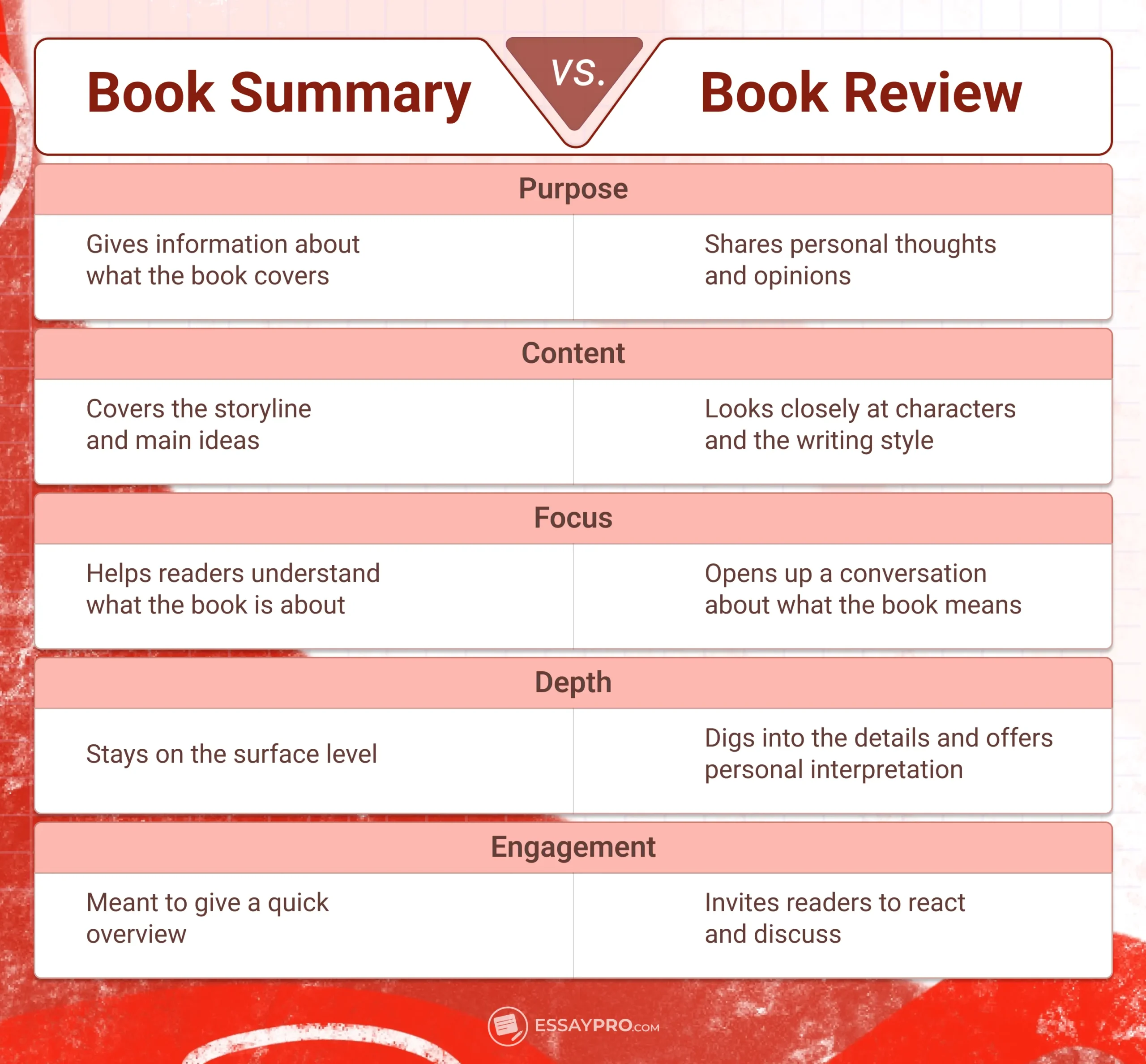
Step 8: Summarize What You Read
After finishing a section or chapter, try summarizing the main ideas.
A summary may include:
- The central concept of the chapter
- Important examples
- Key conclusions or lessons
Summarizing forces the brain to organize information and improves memory retention.
For example:
This chapter explained how reading regularly helps improve vocabulary, critical thinking, and comprehension skills.
Writing short summaries also helps during exam preparation or revision.
Step 9: Discuss What You Read
Discussing books with others can deepen understanding and reveal different perspectives.
Readers may discuss books with:
- Friends
- Study groups
- Teachers or mentors
- Online communities
When discussing a book, readers can share interpretations, ask questions, and explore ideas more deeply.
This process encourages critical thinking and strengthens understanding.
Step 10: Review and Reflect
Reviewing information after reading helps reinforce learning.
Some effective review methods include:
- Re-reading important sections
- Reviewing notes
- Creating mind maps or diagrams
- Teaching the concept to someone else
Reflection also helps readers think about how the information relates to their own experiences or knowledge.
This step transforms reading into meaningful learning.
Study Techniques That Improve Reading Comprehension


Several techniques can improve reading comprehension and memory.
1. SQ3R Method
This method includes five steps:
- Survey – Look at headings and structure
- Question – Ask questions about the topic
- Read – Read carefully to find answers
- Recite – Explain the ideas in your own words
- Review – Go back and check important points
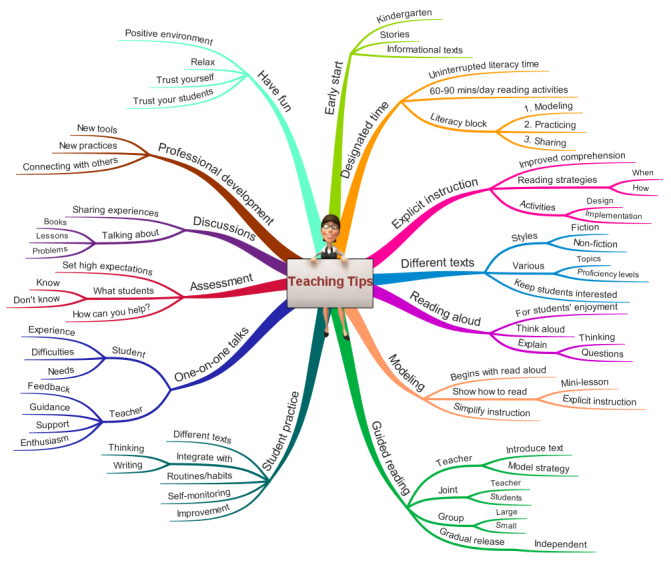
2. Mind Mapping
Mind maps help visualize connections between ideas. They are useful for understanding complex topics and remembering information.
3. Spaced Repetition
Reviewing information over time helps transfer knowledge from short-term memory to long-term memory.
Common Mistakes While Reading
Many readers unknowingly develop habits that reduce comprehension.
Some common mistakes include:
- Reading too quickly without understanding
- Not taking notes
- Ignoring unfamiliar vocabulary
- Reading in distracting environments
- Trying to memorize instead of understanding
Avoiding these mistakes can greatly improve reading effectiveness.
Benefits of Reading Books Effectively
When readers develop effective reading habits, they gain several benefits.
These include:
- Better academic performance
- Increased knowledge and awareness
- Improved communication skills
- Stronger critical thinking ability
- Greater creativity and imagination
Effective reading also helps individuals become lifelong learners.
Conclusion
Reading books effectively is an essential skill that improves knowledge, comprehension, and critical thinking. By choosing a suitable environment, setting a clear purpose, reading actively, taking notes, and reviewing key ideas, readers can understand and remember information more easily.
Developing strong reading habits requires patience and practice. However, with consistent effort and the right techniques, anyone can become a more effective reader and gain greater value from the books they read.
Reading is not only a way to acquire knowledge but also a pathway to personal growth and intellectual development.