



Introduction
Taking notes is an essential study skill that helps students understand, organize, and remember information more effectively. Simply reading a textbook or listening to a lecture is often not enough to retain knowledge. Writing down important ideas helps the brain process information and store it in memory.
Good note-taking allows students to review important concepts quickly, prepare for exams efficiently, and improve overall learning. However, many students either write too much information or fail to record the most important points.
Learning how to take effective notes can make studying more productive and improve academic performance.
Why Note-Taking Is Important
Note-taking provides several important benefits for students.
Some key advantages include:
- Improving memory and understanding
- Helping organize information clearly
- Making revision easier before exams
- Encouraging active learning
- Highlighting important ideas and concepts
When students take notes while studying, they actively engage with the material rather than passively reading it.
Read the Material First
Before writing notes, it is helpful to read the material once to understand the main ideas.
This first reading helps students identify:
- Key concepts
- Important definitions
- Main arguments or explanations
After understanding the overall topic, students can write notes that focus on the most important information instead of copying large sections of text.
Write Key Points Instead of Full Sentences
One common mistake students make is writing complete paragraphs while taking notes. This can slow down the study process and make notes difficult to review later.
Instead, notes should include short phrases or bullet points that summarize the main ideas.
For example:
Instead of writing:
Reading books regularly helps improve vocabulary, comprehension, and critical thinking skills.
You can write:
- Reading improves vocabulary
- Enhances comprehension
- Develops critical thinking
Short notes make information easier to review and remember.
Use Headings and Subheadings
Organizing notes with headings helps structure information clearly.
For example:
Topic: Photosynthesis
- Definition
- Process steps
- Importance for plants
- Role in oxygen production
Headings help readers quickly locate specific information when reviewing notes later.
This method also makes notes more visually organized.
Highlight Important Information
Highlighting important points can make notes easier to review.
Students can highlight:
- Key terms
- Important formulas
- Definitions
- Dates or names
However, highlighting should be used carefully. Highlighting too much information can make everything appear equally important.
Focus only on the most essential ideas.
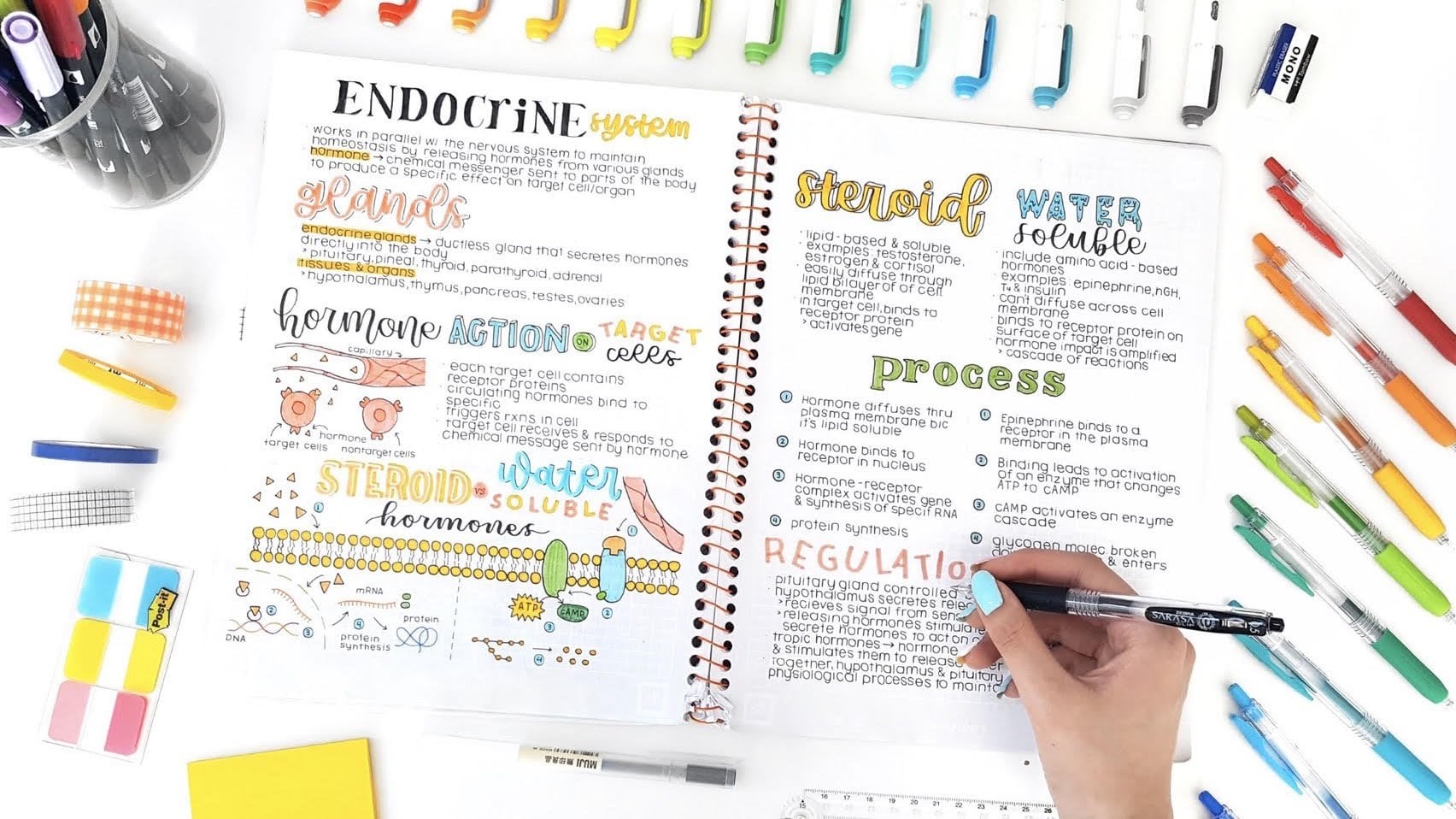
Use Diagrams and Visuals
Visual elements such as diagrams, charts, and mind maps can make notes easier to understand.
Some subjects benefit greatly from visual notes, including:
- Biology
- Geography
- Mathematics
- Physics
For example, drawing diagrams can help explain processes or relationships between concepts.
Visual learning techniques improve memory and make complex information easier to understand.
Use the Cornell Note-Taking Method
One effective system for note-taking is the Cornell Method.
This method divides the page into three sections:
- Notes Section – Main notes from reading or lectures
- Cue Section – Keywords or questions about the topic
- Summary Section – A short summary of the main ideas
This structured approach helps students review information more efficiently and encourages deeper understanding.
Review and Revise Your Notes
Notes are most effective when they are reviewed regularly.
After finishing a study session, students should:
- Read their notes again
- Add missing information
- Clarify unclear points
- Summarize key ideas
Reviewing notes shortly after writing them helps transfer information from short-term memory to long-term memory.
Regular revision also prepares students for exams.
Keep Notes Organized
Keeping notes organized helps students find information quickly when needed.
Some useful organization methods include:
- Using separate notebooks for different subjects
- Numbering pages
- Creating a table of contents
- Using folders or digital note-taking apps
Organized notes make studying more efficient and reduce stress before exams.
Use Digital Note-Taking Tools
Many students now use digital tools for note-taking.
Some advantages of digital notes include:
- Easy editing and updating
- Searchable text
- Ability to add images or links
- Cloud storage for access anywhere
However, handwritten notes also have benefits. Writing by hand can improve memory and comprehension.
Students may choose the method that works best for their learning style.
Avoid Common Note-Taking Mistakes
Some mistakes can reduce the effectiveness of notes.
Common mistakes include:
- Copying entire textbook passages
- Writing notes without understanding the material
- Disorganized or messy notes
- Not reviewing notes after writing them
Avoiding these mistakes helps make note-taking a more powerful learning tool.
Effective Note-Taking Techniques

Several techniques can improve the quality of study notes.
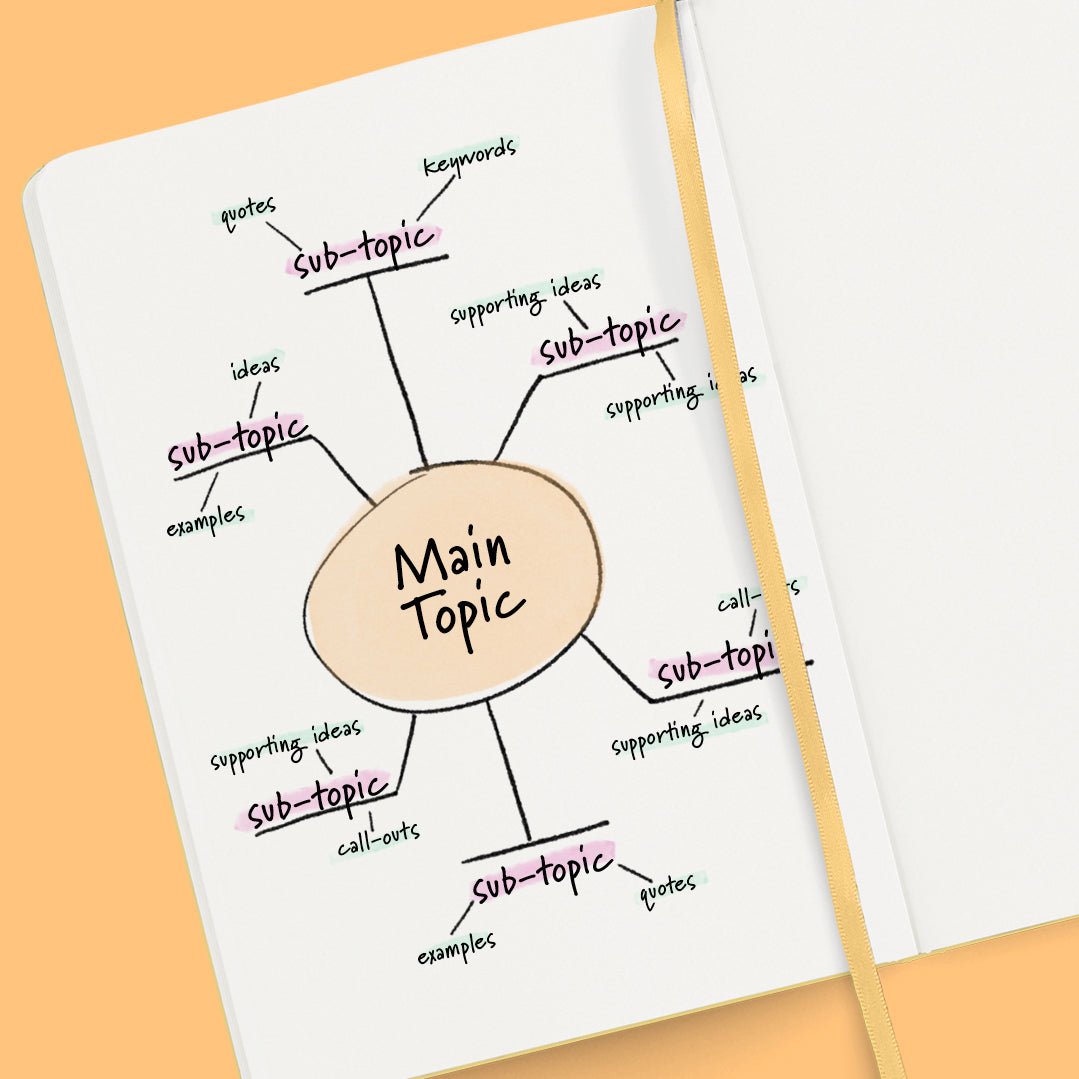
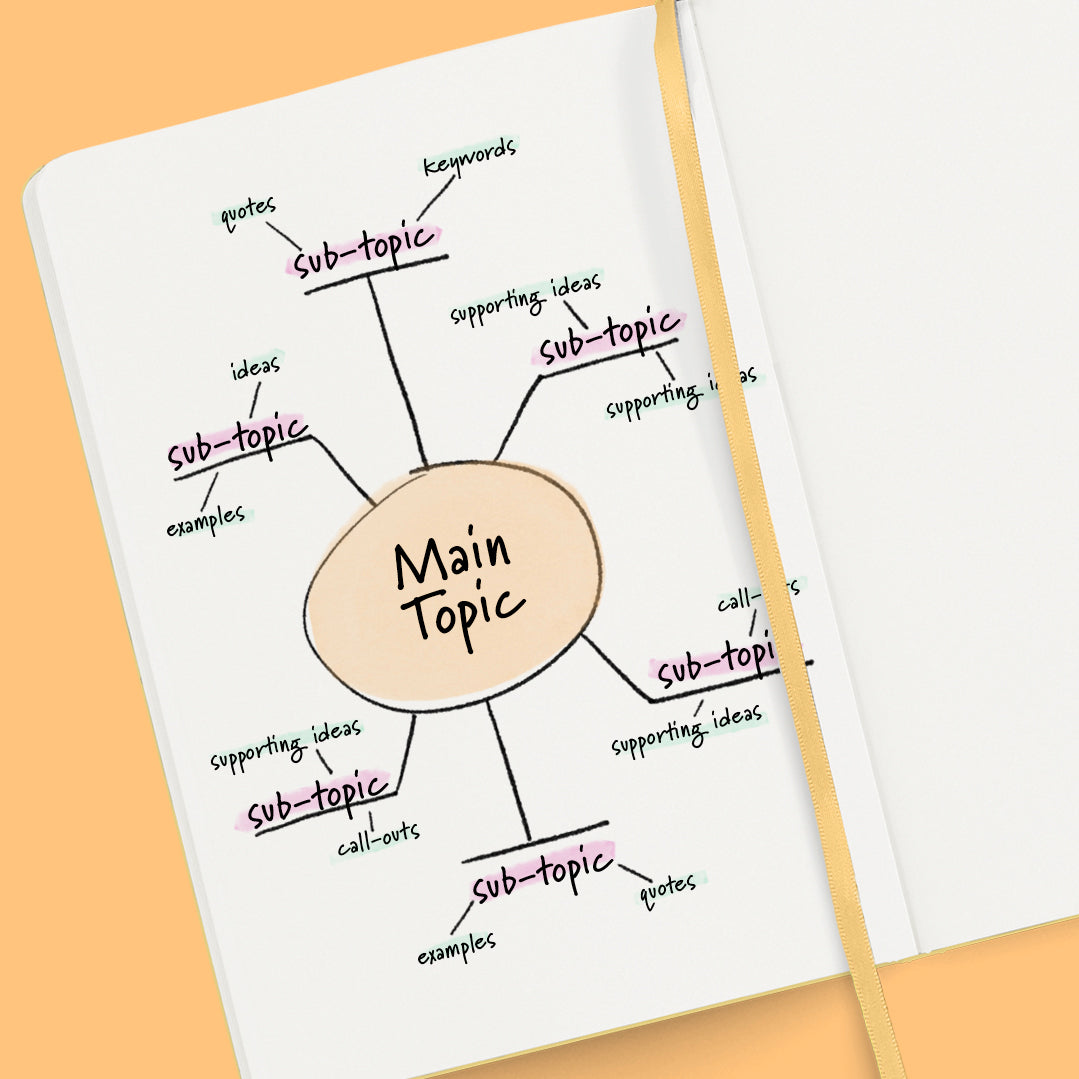
Mind Mapping
Mind maps show relationships between ideas using diagrams. They are useful for organizing complex information.
Charting Method
Information is organized into tables or charts, making it easier to compare concepts.
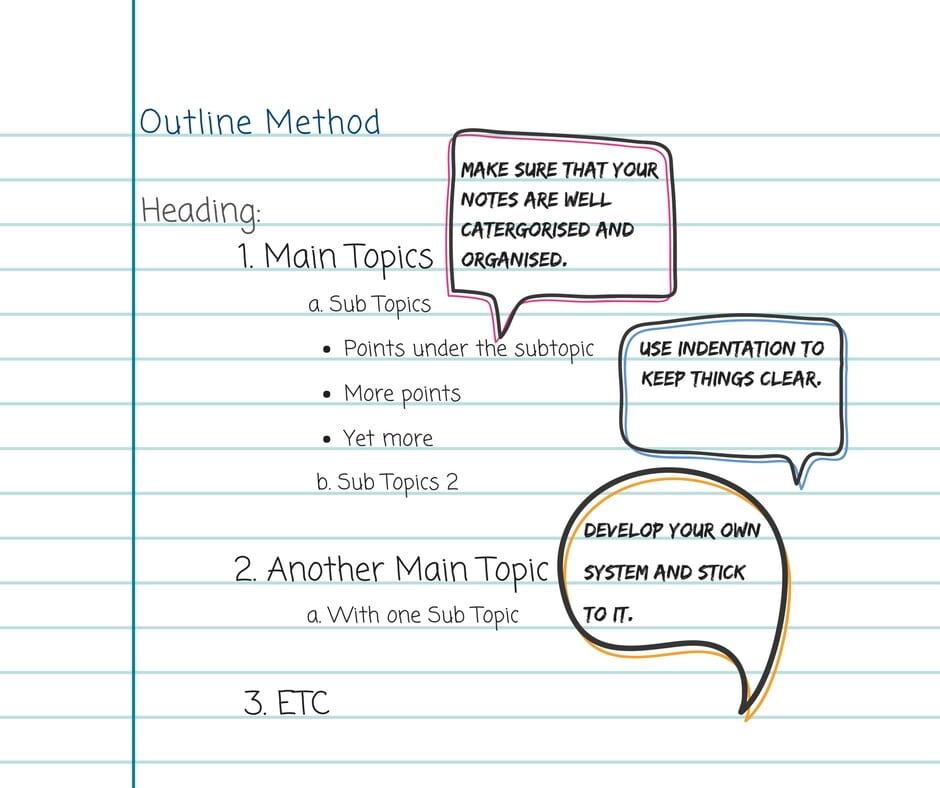
Outline Method
This method uses headings and subheadings to organize ideas in a structured format.
Each method helps present information clearly and improves understanding.
Benefits of Good Note-Taking Skills
Developing strong note-taking skills provides long-term benefits.
These include:
- Better academic performance
- Faster revision before exams
- Improved memory retention
- Greater understanding of complex topics
- Increased study efficiency
Effective notes become valuable study resources that students can use throughout their learning process.
Conclusion
Taking notes while studying is an important skill that improves understanding, memory, and organization. By focusing on key points, using structured methods, and reviewing notes regularly, students can make their study sessions more effective.
Using visual aids, highlighting important ideas, and keeping notes organized further enhances the learning process. With practice and consistency, note-taking becomes a powerful tool that supports academic success and lifelong learning.